Blog

  • 12 Mid Century Home Decor Ideas to Create a Timeless, Stylish Space

    Mid-century home decor has remained one of the most loved interior design styles for decades—and for good reason. Its clean lines, functional furniture, warm wood tones, and effortless blend of vintage and modern elements make it both practical and visually striking.

    Whether you live in a small apartment or a spacious home, mid-century style can adapt beautifully to your space. In this guide, we’ll explore 12 mid century home decor ideas that will help you design a home that feels timeless, balanced, and welcoming—without looking outdated or overly trendy.

    1. Iconic Mid Century Furniture Pieces

    One of the easiest ways to embrace 12 mid century home decor ideas is by starting with furniture. Think low-profile sofas, sleek sideboards, and armchairs with angled legs.

    Opt for furniture with clean lines and minimal ornamentation. A walnut-finished credenza or a classic mid-century lounge chair instantly sets the tone. These pieces work beautifully in both large living areas and compact spaces—especially when paired with smart layouts from guides like how to decorate a small living room.

    2. Warm Wood Tones for a Natural Feel

    Mid-century decor heavily features warm woods like teak, oak, and walnut. These tones add depth and warmth without overwhelming the space.

    Use wood in furniture, flooring, or even wall panels. If you’re decorating a bedroom, warm wood furniture pairs well with neutral bedding ideas found in neutral bedroom decor or calming concepts from cozy bedroom ideas.

    3. Bold Accent Colors With Balance

    While neutrals dominate mid-century interiors, bold colors bring them to life. Mustard yellow, olive green, burnt orange, and teal are classic choices.

    The key is balance—use bold colors in accent pillows, artwork, or a single statement chair rather than overwhelming the entire room. These shades also pair well with curated palettes seen in living room color combination ideas.

    4. Statement Lighting With Sculptural Appeal

    Lighting is more than just functional in mid-century decor—it’s a design feature. Sputnik chandeliers, arc floor lamps, and globe pendants are iconic choices.

    Good lighting can transform a space, especially in living rooms and bedrooms. For more inspiration, explore living room lighting ideas and adapt them with a mid-century twist.

    5. Clean Lines and Minimal Accessories

    Minimalism plays a huge role in 12 mid century home decor concepts. Avoid clutter and choose decor items intentionally. Every piece should serve a purpose—either functional or aesthetic.

    Instead of many small items, go for a few impactful accessories like a ceramic vase, abstract sculpture, or vintage clock. This approach works exceptionally well in compact homes, similar to strategies in how to decorate a small space.

    6. Geometric Patterns and Textures

    Geometric patterns are a signature of mid-century style. You’ll often find them in rugs, throw pillows, wallpaper, and artwork.

    Stick to simple shapes like circles, triangles, and lines. A geometric rug can anchor a living room layout, especially when styled alongside ideas from minimalist living room decor ideas.

    7. Mid Century Modern Living Room Styling

    The living room is the perfect place to fully embrace mid-century style. Choose a streamlined sofa, a wooden coffee table, and a mix of textures through cushions and rugs.

    If you want a deeper dive, check out mid-century modern living room ideas for layout inspiration. You can also enhance your setup with styling tips from how to style a coffee table.

    8. Functional Layouts That Feel Open

    Mid-century design prioritizes functionality. Furniture placement should encourage easy movement and conversation, not crowd the room.

    This approach is especially helpful in smaller homes. Combine mid-century furniture with layout tips from how to arrange furniture in a small living room to keep your space airy and organized.

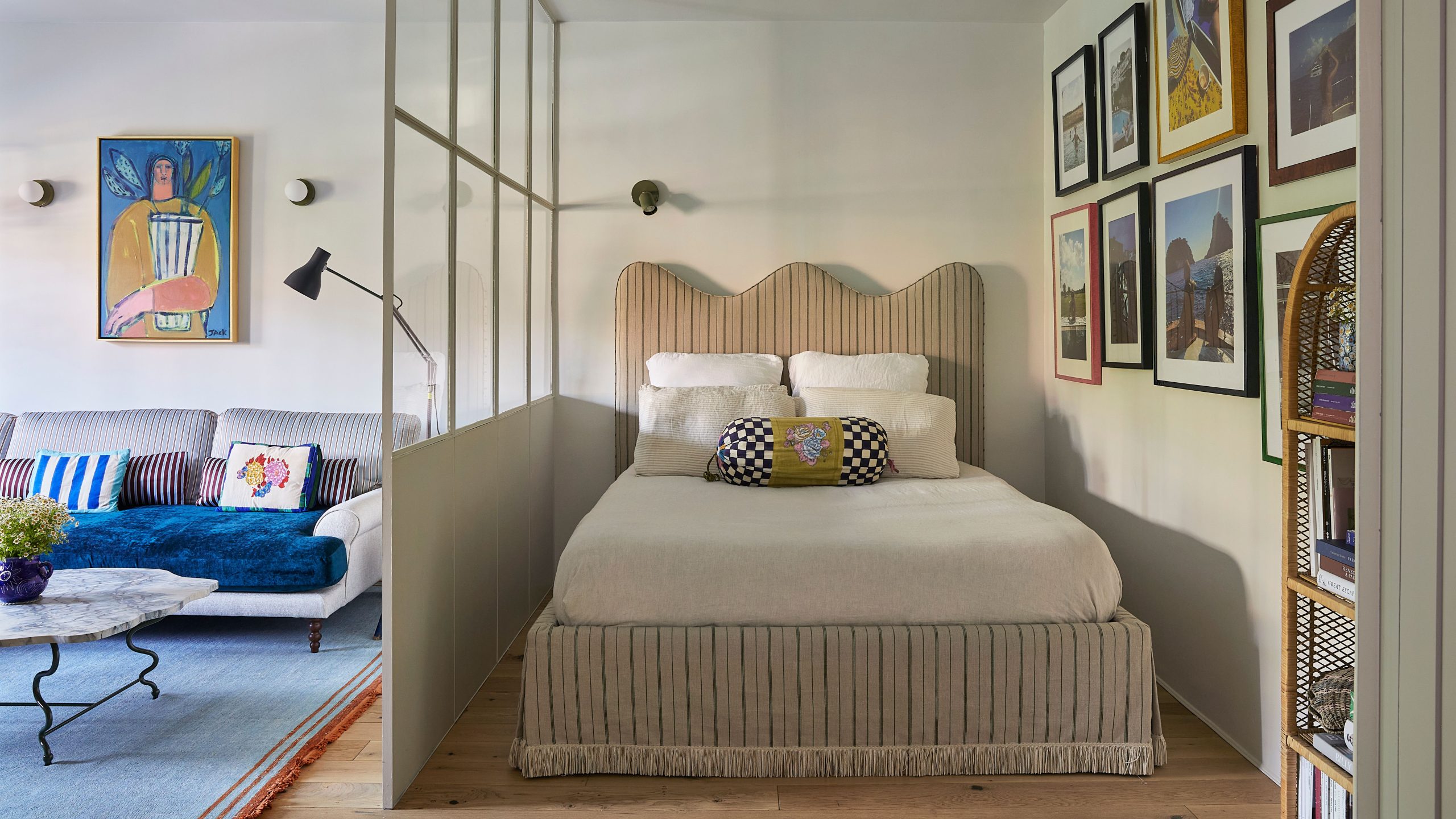
    9. Bedroom Decor With Mid Century Charm

    Mid-century bedrooms are calm, simple, and stylish. Platform beds, wooden nightstands, and understated lighting are key elements.

    Keep decor minimal and focus on symmetry. If you’re working with limited space, ideas from bedroom ideas for small rooms or how to make a small bedroom look bigger blend perfectly with mid-century principles.

    10. Mid Century Kitchen Design Elements

    Mid-century kitchens often feature flat-panel cabinets, warm wood finishes, and subtle pops of color. Open shelving and simple hardware help maintain a clean look.

    You can mix this style with modern functionality using inspiration from modern kitchen ideas or space-saving concepts in kitchen ideas for small spaces.

    11. Art and Wall Decor With a Retro Touch

    Artwork plays a big role in 12 mid century home decor styling. Abstract prints, vintage posters, and minimalist wall art work best.

    Avoid overcrowding walls. One large statement piece often looks better than multiple small frames. This approach aligns well with curated concepts from living room wall decor or wall decor ideas for living room.

    12. Mixing Mid Century With Modern Styles

    One of the best things about mid-century decor is how easily it blends with other styles. You can mix it with modern, minimalist, or even boho elements for a personalized look.

    For example, pairing mid-century furniture with textures from boho living room ideas or simplicity from modern living room decor creates a balanced, lived-in feel.

    Final Thoughts

    Mid-century home decor is timeless for a reason—it’s simple, functional, and effortlessly stylish. By focusing on quality furniture, warm wood tones, thoughtful layouts, and minimal accessories, you can create a home that feels both nostalgic and modern.

    Whether you’re redecorating a single room or your entire home, these 12 mid century home decor ideas give you a strong foundation to build a space that’s inviting, practical, and visually stunning. The key is balance—mix classic elements with your personal style, and let simplicity lead the way.

  • 10 Bathroom Remodel Ideas That Instantly Make Your Space Look Luxurious

    10 Bathroom Remodel Ideas That Instantly Make Your Space Look Luxurious

  • Stylish Ideas for Every Home

    When it comes to kitchen design, one element can transform the entire space: cabinets. Not only do they serve a functional purpose, but they also define the aesthetic of your kitchen. 8 wooden kitchen cabinets styles offer a perfect balance of elegance, durability, and timeless appeal.

    Whether you’re remodeling your kitchen or starting fresh, understanding the different types of wooden cabinets can help you make informed choices that enhance both style and functionality. In this guide, we’ll explore the top 8 wooden kitchen cabinets, including their design features, materials, finishes, and ideas for integrating them into your space.

    1. Timeless Shaker Cabinets for a Clean Look

    Shaker cabinets are a staple in traditional and modern kitchens alike. Known for their simple, clean lines and minimal ornamentation, these cabinets work well in almost any kitchen style.

    The beauty of classic Shaker cabinets lies in their versatility. You can paint them white for a bright, airy look or opt for natural wood tones to create warmth and sophistication. Pairing Shaker cabinets with a modern countertop and backsplash can create a striking contrast that elevates your kitchen design.

    For pairing cabinetry with other elements in your kitchen, check out our modern kitchen ideas guide for inspiration.

    2. Cozy Rustic Cabinets with Natural Charm

    Rustic cabinets bring a cozy, lived-in charm to your kitchen. Featuring distressed finishes, natural wood grains, and handcrafted details, these cabinets are perfect for farmhouse-style kitchens or those aiming for a warm, inviting atmosphere.

    Rustic wooden cabinets often use oak, pine, or maple, which age beautifully over time. Pair them with open shelving, vintage hardware, and earthy kitchen decor to emphasize their natural appeal.

    For more ideas on creating a cozy home, explore our rustic home decor collection.

    3. Sleek Flat-Panel Cabinets for Modern Kitchens

    For kitchens with a sleek, contemporary aesthetic, modern flat-panel cabinets are an excellent choice. Also known as slab cabinets, they feature smooth, flat surfaces with minimal detailing. This design emphasizes clean lines and simplicity, making your kitchen appear larger and uncluttered.

    Flat-panel cabinets can be finished in light or dark wood tones, painted in neutral shades, or combined with matte or glossy laminates. Pair it with modern hardware and minimalistic decor for an understated elegance.

    You might also find our two-tone kitchen cabinets guide useful for experimenting with color combinations.

    4. Elegant Glass-Front Cabinets for Open Display

    Glass-front cabinets are a fantastic way to display your beautiful dishes, glassware, or collectibles. By combining wood with glass panels, you achieve a sense of openness and lightness in your kitchen design.

    Wooden cabinets with glass fronts can feature full glass or partial inserts framed by wood. Frosted or textured glass provides privacy while still allowing visual interest. Pair these cabinets with warm lighting for a cozy ambiance, or keep it modern with clear glass and metallic hardware.

    For decorating ideas around open spaces and displaying items, check out how to decorate above kitchen cabinets.

    5. Painted Cabinets for a Pop of Personality

    While natural wood is beautiful, painted wooden cabinets allow for a pop of personality in your kitchen. Shades like soft grey, navy blue, or pastel green can create a unique focal point, complementing countertops, floors, and backsplashes.

    Painted wooden cabinets are versatile because they can be refreshed easily with a new coat of paint. Matte, glossy, or satin finishes can dramatically change the feel of the room. Adding contrasting hardware like brass or black handles can further enhance the cabinet’s style.

    For small kitchens that need visual impact, explore kitchen ideas for small spaces.

    6. Open Shelving Cabinets for Functional Display

    Open shelving has become increasingly popular in modern kitchens. Unlike traditional closed cabinets, these allow you to display your kitchenware, decorative items, or cookbooks. Wooden cabinets with open shelves bring warmth and functionality, encouraging an organized and aesthetically pleasing display.

    Open shelving works particularly well in small kitchens because it creates a sense of openness. Mix solid wood with painted sections to balance visual weight, or combine it with glass-front cabinets for added interest.

    For more ideas on maximizing small kitchen spaces, check our small kitchen cabinet ideas.

    7. Trendy Two-Tone Cabinets for Contrast

    Two-tone cabinets are a bold and trendy option that allows for a combination of colors or finishes within the same kitchen. Typically, the upper cabinets are lighter in tone, while the lower cabinets are darker, creating a balanced contrast that’s visually striking.

    Two-tone wooden cabinets can mix natural wood with painted surfaces or combine two different wood stains. This approach works well in both contemporary and traditional kitchens and can highlight specific areas, such as the island or cabinetry around appliances.

    Check out our two-tone kitchen cabinets post for specific combinations and ideas.

    8. Custom Cabinets for Personalized Style

    For those looking to create a truly unique kitchen, custom wooden cabinets are the ultimate solution. With custom cabinets, you can select the exact wood type, finish, hardware, and layout that fits your space and style.

    Custom wooden cabinets are perfect for challenging kitchen layouts, such as small spaces, irregularly shaped rooms, or multi-functional kitchen islands. You can also incorporate unique design elements like pull-out shelves, hidden compartments, or integrated lighting for added functionality and luxury.

    For compact kitchens, explore small kitchen design ideas for layout optimization tips.

    Final Thoughts

    Choosing the right 8 wooden kitchen cabinets can redefine your kitchen’s look and feel. From timeless Shaker cabinets to custom designs, each style offers a unique combination of beauty and function.

    Carefully considering wood type, finish, hardware, and layout will help you create a kitchen that is both functional and visually stunning. Maintain your cabinets properly to enjoy their elegance for years.

    For more inspiration, explore our modern kitchen ideas, two-tone kitchen cabinets, and small kitchen design ideas articles.

  • 10 Small Bedroom Decor Ideas to Instantly Upgrade Your Cozy Room

    10 Small Bedroom Decor Ideas to Instantly Upgrade Your Cozy Room

    Small bedrooms can feel cozy, but they can also feel cramped if not styled thoughtfully. The good news? With the right decor strategies, even the tiniest bedroom can look chic, spacious, and inviting.

    Whether you’re looking to revamp a compact room for yourself, a couple, or a teen, these 10 small bedroom decor ideas will inspire you to make the most of your limited space without sacrificing style.

    1. Maximize Natural Light

    One of the easiest ways to make a small bedroom feel bigger is by embracing natural light. Large windows or sheer curtains allow sunlight to flood the space, creating an airy and open atmosphere. Mirrors can amplify this effect by reflecting light around the room, giving the illusion of more space.

    Tip: Avoid heavy drapes and dark shades. Instead, choose light, airy fabrics that gently filter sunlight while maintaining privacy.

    If you’re curious about making your room feel even larger, check out our guide on how to make a small bedroom look bigger.

    2. Opt for Multi-Functional Furniture

    In small bedrooms, every piece of furniture counts. Investing in multi-functional furniture is a game-changer. Think beds with storage drawers underneath, foldable desks, or ottomans that double as storage. These pieces not only save space but also keep your room organized and clutter-free.

    For couples, compact multi-functional furniture is especially helpful. Learn more in our article about bedroom ideas for small rooms for couples.

    3. Stick to a Light Color Palette

    Color plays a crucial role in small bedroom decor. Light, neutral colors such as whites, beiges, and soft pastels make a room feel open and airy. On the other hand, dark colors can make a small space feel even smaller, though they can be used strategically as accent walls.

    Pro Tip: Use a monochromatic color scheme to create a seamless flow that tricks the eye into perceiving more space.

    For inspiration, see our neutral bedroom decor ideas.

    4. Clever Storage Solutions

    Clutter can make any small bedroom feel cramped. Smart storage solutions are essential for keeping your room neat while maintaining style. Consider wall-mounted shelves, floating nightstands, or over-the-door organizers. Utilizing vertical space is especially effective in small rooms.

    Additionally, using under-bed storage bins or stackable organizers can maximize hidden space. Check out these small bedroom storage ideas for practical tips.

    5. Use Mirrors Strategically

    Mirrors are a designer’s secret weapon when it comes to small spaces. Placing a large mirror opposite a window can reflect light and create the illusion of depth. Even mirrored furniture, like a dresser or nightstand, can make your room feel bigger and brighter.

    Tip: Consider a full-length mirror on a wardrobe door to save floor space while adding functionality.

    For more ideas on expanding space visually, see our article on very small bedroom ideas.

    6. Keep Decor Minimalist

    A clutter-free room instantly feels more spacious. Embrace a minimalist approach by choosing only the essential furniture pieces and decor items. Avoid overcrowding your bedroom with too many knick-knacks, bulky furniture, or heavy fabrics.

    Tip: Choose decor with clean lines and simple designs. A minimalist approach not only maximizes space but also creates a serene and relaxing environment.

    Related reading: minimalist bedroom decor tips for small rooms.

    7. Add Vertical Interest

    When floor space is limited, look upward. Vertical decor draws the eye up and makes the room feel taller. Install floating shelves, hang wall art, or use tall headboards to enhance vertical space. Even vertical stripes on walls can create the illusion of height.

    For a fun and bohemian touch in small bedrooms, explore our boho bedroom ideas for small rooms.

    8. Choose the Right Bedding and Textiles

    In small bedrooms, the bed is often the focal point. Choosing the right bedding and textiles can enhance both style and comfort. Opt for light-colored or patterned bedding to add interest without overwhelming the space. Layering textures like throws, cushions, and rugs adds warmth and personality without cluttering.

    Tip: Avoid oversized rugs that make the room feel cramped. Instead, select a rug that fits neatly under the bed or in the center of the room.

    For cozy inspiration, see cozy bedroom ideas.

    9. Incorporate Statement Lighting

    Lighting can completely change the feel of a small bedroom. Instead of relying solely on ceiling lights, mix in wall sconces, pendant lights, or stylish table lamps. Hanging lights can free up valuable nightstand space while adding an elegant touch.

    Tip: Use warm LED lights to create a cozy ambiance that feels inviting rather than stark.

    You might also enjoy our guide on bedroom lighting ideas for small rooms.

    10. Create a Functional Layout

    Finally, arranging your furniture strategically is key in a small bedroom. Avoid placing bulky items in the middle of the room and ensure there’s a clear walking path. Consider floating furniture slightly away from walls to create a sense of space, or use corner units to utilize every nook efficiently.

    If you need guidance, our how to arrange bedroom furniture post provides practical tips for optimizing layouts.

    Final Thoughts

    Decorating a small bedroom is all about balance. With careful planning, clever storage solutions, and stylish decor, a small space can feel both functional and aesthetically pleasing. These 10 small bedroom decor ideas are versatile, allowing you to customize them according to your taste, lifestyle, and the specific constraints of your room.

    From maximizing natural light and vertical space to choosing multi-functional furniture and cozy textiles, every choice contributes to a room that feels bigger, brighter, and more inviting. Remember, less is often more in small spaces. Minimalist layouts, thoughtful lighting, and clever storage make all the difference.

    For more inspiration on small bedroom design, check out our posts on small bedroom decorating ideas and bedroom ideas for small rooms.

  • 10 Stunning Master Bedroom Ideas for Every Style

    Your master bedroom is more than just a place to sleep—it’s your personal sanctuary, a space that reflects your style, comfort, and personality. Whether you want a serene retreat or a bold statement room, these 10 master bedroom ideas will inspire you to create a space that is both functional and beautiful.

    From layout tips to color schemes and decor ideas, this guide covers everything you need to know to elevate your bedroom.

    1. Embrace a Minimalist Design

    A minimalist master bedroom focuses on simplicity and functionality. Neutral tones, clean lines, and clutter-free spaces create a calm and peaceful atmosphere.

    Consider investing in storage solutions that keep your bedroom tidy without overwhelming the space. For inspiration on maintaining a minimal aesthetic while maximizing comfort, you can explore our guide on minimalist bedroom decor.

    2. Go Bold with a Black and White Theme

    A black and white color scheme is a timeless choice that exudes sophistication. Whether you paint the walls, choose bedding, or add furniture in these contrasting shades, it creates an elegant and modern look.

    You can also incorporate black-and-white wall art or geometric patterns to make the room visually interesting. For more monochrome inspiration, check out our black and white bedroom ideas.

    3. Create a Cozy Retreat with Textiles

    One of the easiest ways to make your master bedroom feel inviting is by layering textiles. Plush rugs, soft throw blankets, and plenty of pillows add warmth and texture.

    Mix fabrics like velvet, linen, and cotton to create a luxurious yet cozy feel. Pair this with soft lighting and a reading nook for a space you’ll never want to leave. For more cozy bedroom inspiration, see our cozy bedroom ideas.

    4. Maximize Space in Small Bedrooms

    Even if your master bedroom is on the smaller side, thoughtful furniture arrangement can make a huge difference. Use multi-functional pieces like ottomans with storage or beds with drawers underneath.

    Mirrors are another trick to visually expand your room, reflecting light and creating a sense of openness. For practical tips, check our articles on how to make a small bedroom look bigger and bedroom ideas for small rooms.

    5. Add a Statement Headboard

    A statement headboard can instantly elevate your master bedroom’s look. From tufted velvet to sleek wooden designs, it acts as the focal point of the room.

    Pair your headboard with complementary bedding and wall decor to complete the aesthetic. For ideas on matching headboards with overall decor, explore our bedroom interior ideas.

    6. Incorporate a Touch of Nature

    Adding natural elements to your bedroom creates a soothing environment. Houseplants, floral arrangements, or wooden furniture pieces bring warmth and life into the space.

    Large leafy plants in corners or hanging planters can soften the room, while a wooden accent wall adds rustic charm. For similar ideas, check our green bedroom ideas.

    7. Mix Modern and Vintage Elements

    Combining modern furniture with vintage accents creates a unique and personalized master bedroom. A sleek modern bed frame paired with a vintage dresser or chandelier can make your room stand out.

    Consider browsing our vintage home decor guide for pieces that will complement a modern setting perfectly. This approach ensures your bedroom is stylish and timeless.

    8. Play with Color Palettes

    Color is one of the easiest ways to change the mood of your bedroom. Soft pastels create a calming ambiance, while deep, rich tones like navy or emerald green make the space feel cozy and luxurious.

    Accent walls, bedding, and decorative pieces allow you to experiment with color without overwhelming the room. For inspiration, check out our pink and white bedroom ideas or neutral bedroom decor guides.

    9. Design a Functional Layout

    A well-thought-out layout is essential for comfort and ease of movement. Position your bed to optimize natural light, and ensure there’s enough space around furniture to navigate freely.

    For tips on planning your bedroom furniture arrangement, our how to arrange bedroom furniture article provides practical guidance to make the most of your space.

    10. Include Personal Touches

    Finally, your master bedroom should reflect who you are. Incorporate personal touches like family photos, artwork, or cherished mementos. These elements make your bedroom feel truly yours and add character to the room.

    You can also mix decorative items with functional ones, like stylish storage baskets or decorative trays, to keep the space both organized and beautiful. For inspiration on adding personality without clutter, see our bedroom decor ideas for women.

    Final Thoughts

    Your master bedroom should be more than just a place to sleep—it’s your personal retreat, a space that reflects your style, comfort, and personality. The 10 master bedroom ideas shared above offer a variety of ways to transform your space, whether you prefer minimalist simplicity, cozy textures, bold colors, or a mix of modern and vintage styles.

    Remember, small changes can have a big impact. From thoughtful furniture placement and layered lighting to adding personal touches and greenery, each detail contributes to creating a bedroom that is both functional and inviting.

    Take inspiration from these ideas, experiment with what works best for you, and don’t be afraid to let your personality shine through. With a little creativity and planning, your master bedroom can become the stylish, relaxing haven you’ve always dreamed of.

  • 8 Vintage Home Decor Ideas to Transform Your Space

    There’s something undeniably charming about vintage home decor. From antique furniture to retro accents, vintage style brings warmth, character, and timeless elegance to any space.

    Whether you’re decorating a cozy apartment, a small bedroom, or a full-sized home, integrating vintage elements can create a unique, inviting atmosphere that modern designs sometimes lack. In this guide, we’ll explore 8 vintage home decor ideas that will elevate your interior design while keeping your home stylish and comfortable.

    1. Mix Antique Furniture With Modern Accents

    One of the easiest ways to achieve a vintage look is by incorporating antique furniture pieces into your space. Think ornate wooden dressers, tufted armchairs, or vintage coffee tables. Pairing these with contemporary elements like sleek lighting or modern rugs creates a balanced, eclectic feel.

    If you’re working on a bedroom, try exploring our cozy bedroom ideas for inspiration on combining comfort and style while including vintage touches. Remember, the key is balance—don’t overcrowd your space with too many retro pieces.

    2. Incorporate Vintage Wall Art

    Vintage wall art can instantly transform a room’s aesthetic. Look for retro posters, black-and-white photography, or framed antique maps. Even small touches like vintage-inspired wall clocks or mirrors with ornate frames can make a big difference.

    For living room inspiration, check out our living room wall decor guide, which includes ideas for blending vintage and modern elements seamlessly. Vintage wall pieces add personality and tell a story, making your home feel curated and lived-in.

    3. Use Retro Lighting Fixtures

    Lighting is one of the most powerful ways to create a vintage vibe. Consider chandeliers with crystal accents, brass sconces, or industrial-style pendant lights. These fixtures not only serve as functional lighting but also as statement pieces that elevate your decor.

    For more lighting inspiration, explore living room lighting ideas, which can help you incorporate vintage lighting while keeping your room bright and welcoming. Vintage lighting often works best when paired with soft, warm bulbs that enhance the cozy atmosphere.

    4. Vintage Rugs and Textiles

    No vintage home is complete without the right rugs and textiles. Persian rugs, handwoven tapestries, or patterned throw blankets add warmth and texture to your living areas. Mix and match patterns carefully to avoid overwhelming the space, and layer textiles to add depth.

    If you’re working with limited space, check out small living room ideas for tips on using rugs and textiles to make a room feel cozy yet spacious. Vintage textiles can also act as focal points, drawing attention to key areas in your home.

    5. Display Collectibles and Curios

    Part of the charm of vintage decor is the ability to showcase collectibles and unique items. Think old books, retro cameras, vintage teapots, or heirlooms. Display them on shelves, coffee tables, or mantels to create visual interest and tell a story about your personality.

    For a curated display, explore our how to style a coffee table guide, which includes tips on arranging vintage items in an aesthetically pleasing way. These collectibles make your home feel personalized, and each item adds a layer of history and character.

    6. Embrace Vintage Colors

    Color plays a major role in achieving a vintage aesthetic. Shades like mustard yellow, burnt orange, deep teal, and olive green are reminiscent of mid-century interiors. You can incorporate these colors through furniture, wall paint, or accent pieces like cushions and vases.

    Pairing vintage colors with neutral tones prevents the space from feeling outdated. For ideas on integrating colors with small spaces, check out how to decorate a small space, which offers practical tips on using color to enhance both style and functionality.

    7. Repurpose and Upcycle

    Vintage decor doesn’t always mean buying new antiques—it’s also about repurposing and upcycling. Convert an old ladder into a bookshelf, repaint a worn dresser, or transform vintage crates into storage units. Not only does this approach add character, but it’s also environmentally friendly.

    For more creative ideas on transforming small areas, you can visit how to make a small bedroom look bigger. By giving old furniture a second life, you can create unique pieces that are truly one-of-a-kind.

    8. Add Vintage Lighting Accessories

    In addition to major lighting fixtures, small accessories like vintage lamps, candle holders, and lanterns contribute significantly to the ambiance. Brass, copper, or ceramic finishes add elegance, while soft lighting enhances the overall cozy and nostalgic feel.

    For tips on arranging a room effectively while adding vintage accents, our how to arrange bedroom furniture post provides useful layout suggestions that maximize both style and space. Lighting accessories can highlight vintage furniture, textiles, or art, tying the entire look together.

    Final Thoughts

    Vintage home decor is all about bringing warmth, character, and timeless charm into your home. By incorporating antique furniture, retro lighting, vintage textiles, and curated collectibles, you can create spaces that feel inviting, unique, and full of personality. Remember to balance vintage pieces with modern accents to keep your home stylish and functional.

    These 8 vintage home decor ideas are easy to implement and can transform any room, whether it’s a cozy bedroom, a small living area, or a full-sized home. Don’t be afraid to experiment with colors, textures, and layouts to reflect your own style. With a thoughtful approach, your home can achieve a perfect blend of nostalgia and modern comfort.

    For more inspiration on creating timeless interiors, check out our posts on mid-century home decor and rustic home decor.

  • 8 Bathroom Renovation Ideas to Make Your Bathroom Look Expensive

    Renovating a bathroom can feel overwhelming, especially when you’re trying to balance style, functionality, and budget. Whether you’re updating a tiny powder room or planning a full master bath makeover, the right ideas can completely transform your space.

    These 8 bathroom renovation ideas are designed to inspire you with practical upgrades, modern aesthetics, and smart design choices that work for both small and large bathrooms.

    From layout improvements to finishes that instantly elevate the look, this guide will help you make confident renovation decisions while keeping your bathroom timeless and comfortable.

    1. Upgrade to a Modern Walk-In Shower

    One of the most impactful bathroom renovation ideas is replacing a bulky bathtub with a sleek walk-in shower. This instantly opens up the space and gives your bathroom a clean, contemporary feel. Frameless glass panels are especially popular because they make even compact bathrooms look bigger and brighter.

    To enhance the design, consider rainfall showerheads, built-in niches for toiletries, and textured tiles for slip resistance. If you’re working with limited space, these ideas pair perfectly with smart layout tricks discussed in our guide on how to make a small bathroom look bigger.

    A walk-in shower is also easier to maintain and ideal for homeowners looking for a long-term, accessible solution.

    2. Choose Timeless Bathroom Tile Designs

    Tiles set the foundation for your entire bathroom design, making them a crucial part of any renovation. Neutral tones like white, beige, and soft gray remain popular because they’re timeless and easy to style. However, patterned or textured tiles can add personality without overwhelming the space.

    Large-format tiles reduce grout lines, creating a seamless look that works especially well in small bathrooms. For more inspiration, explore these stylish bathroom tiles design ideas that balance beauty and durability.

    Mixing tile styles—such as matte floor tiles with glossy wall tiles—adds subtle contrast while keeping the overall look cohesive.

    3. Install Smart Bathroom Storage Solutions

    Clutter can instantly ruin even the most beautiful bathroom. That’s why smart storage is a key part of these 8 bathroom renovation ideas. Floating vanities, recessed shelves, and mirrored cabinets help maximize storage without sacrificing floor space.

    Vertical storage is especially useful in smaller bathrooms. Open shelving above the toilet or slim cabinets beside the vanity keep essentials organized and accessible. For more practical inspiration, check out these clever bathroom storage ideas designed for real homes.

    Well-planned storage not only improves functionality but also keeps your bathroom looking calm and spa-like.

    4. Refresh the Space with a New Color Palette

    A fresh color palette can completely change the mood of your bathroom. Soft neutrals create a relaxing environment, while darker tones add drama and sophistication. Earthy greens, warm taupes, and muted blues are trending choices that feel both modern and soothing.

    If you love nature-inspired interiors, you’ll enjoy these calming green bathroom ideas that bring freshness into the space. Pair your chosen colors with natural materials like wood or stone for a balanced, inviting look.

    Don’t forget—good lighting enhances color, so plan your fixtures accordingly.

    5. Upgrade Bathroom Lighting for Style and Function

    Lighting is often overlooked, yet it plays a huge role in how your bathroom looks and feels. Layered lighting works best: ambient lighting for overall brightness, task lighting around the mirror, and accent lighting to highlight design features.

    LED mirrors and wall sconces are both stylish and practical, offering even illumination for daily routines. Thoughtful lighting upgrades can make your bathroom feel as polished as spaces featured in our modern living room decor guide.

    Warm lighting tones are ideal for creating a cozy, spa-like atmosphere, while cooler tones work well for task areas.

    6. Focus on Bathroom Floor Tile Upgrades

    Bathroom floors need to be durable, water-resistant, and stylish. Porcelain and ceramic tiles are popular choices because they’re low-maintenance and available in endless designs. Wood-look tiles are especially trendy, offering warmth without the moisture issues of real wood.

    Slip-resistant finishes are essential for safety, especially in family homes. For inspiration, browse these practical and stylish bathroom floor tile ideas that combine function with design.

    A thoughtfully chosen floor can tie the entire bathroom together.

    7. Create a Spa-Like Bathroom Experience

    Turning your bathroom into a personal retreat is one of the most rewarding renovation goals. Soft lighting, plush towels, calming colors, and natural materials all contribute to a spa-like feel. Small details like scented candles, plants, and minimalist decor make a big difference.

    Inspiration from serene interiors, such as those featured in spa bathroom decor, can help you recreate that luxury-at-home experience. Even budget-friendly updates can deliver a high-end look when done thoughtfully.

    This idea works beautifully in both master bathrooms and smaller spaces.

    8. Update Fixtures and Hardware for a Polished Look

    Sometimes, it’s the smallest changes that have the biggest impact. Updating faucets, showerheads, cabinet handles, and towel bars can instantly modernize your bathroom without a full renovation.

    Matte black, brushed brass, and chrome finishes are all popular choices depending on your style. Coordinating hardware throughout the space creates a cohesive look that feels intentional and refined. Pair these upgrades with ideas from our bathroom decor ideas guide for a complete refresh.

    This is one of the easiest ways to elevate your bathroom on a budget.

    Final Thoughts

    Renovating your bathroom doesn’t have to mean a full teardown or an overwhelming budget. These 8 bathroom renovation ideas prove that smart planning, thoughtful design, and strategic upgrades can completely transform your space.

    Whether you’re focusing on storage, tiles, lighting, or creating a spa-like retreat, each idea can be tailored to your home and lifestyle. Start with the changes that matter most to you, and build from there—your dream bathroom is closer than you think.

  • 12 Kitchen Remodel Ideas That Instantly Upgrade Your Home

    A kitchen remodel is one of the most rewarding home upgrades you can make. It not only improves how your kitchen looks but also enhances functionality, storage, comfort, and long-term home value.

    Since the kitchen is one of the most used spaces in any home, even small changes can have a big impact on your daily routine. Whether you’re planning a full renovation or a gradual upgrade, choosing the right design elements helps you avoid costly mistakes and ensures your kitchen stays timeless. From layout planning to color choices and storage upgrades, these 12 kitchen remodel ideas are designed to inspire smart decisions for every type of home.

    If you’re redesigning a compact kitchen or working with limited square footage, many of these ideas also align with proven principles used when learning how to decorate a small space, helping your kitchen feel open and organized.

    1. Upgrade to Modern Kitchen Cabinets

    Cabinets are one of the most visually dominant features in any kitchen, making them a top priority during a remodel. Replacing outdated cabinets with modern designs instantly refreshes the space and improves storage efficiency. Popular styles include shaker cabinets for a timeless look, flat-panel cabinets for a modern feel, and handle-less cabinets for a sleek, minimalist aesthetic.

    Material and finish choices matter just as much as style. Matte finishes hide fingerprints, while glossy cabinets reflect light and make small kitchens appear larger. If you prefer a bright, clean look, take inspiration from these white kitchen ideas. For a bolder and more dramatic upgrade, darker tones inspired by black kitchen cabinets can create a striking visual impact.

    2. Choose a Functional Kitchen Layout

    A beautiful kitchen means little if it doesn’t function well. A successful remodel starts with evaluating how you use your space daily. The classic kitchen work triangle—connecting the sink, stove, and refrigerator—still plays an important role in efficient kitchen design.

    Open layouts are increasingly popular, especially for families and entertainers. They improve movement, maximize natural light, and visually expand the space. If your home allows it, consider blending cooking and living areas using an open kitchen living room concept for a modern and social layout.

    3. Install a Stylish Kitchen Backsplash

    A kitchen backsplash is both functional and decorative. It protects walls from spills and stains while adding character to your kitchen. Subway tiles remain a classic option, but patterned tiles, textured stone, and glass backsplashes are becoming increasingly popular.

    A bold backsplash can act as a focal point, while subtle designs help tie your cabinetry and countertops together. If you’re unsure where to start, explore these trending kitchen backsplash ideas for inspiration across different styles and budgets.

    4. Improve Kitchen Lighting Design

    Lighting is often overlooked during kitchen remodels, yet it dramatically affects both appearance and usability. A layered lighting approach works best—combine ceiling lights for overall brightness, under-cabinet lighting for tasks, and decorative fixtures for ambiance.

    Pendant lights above islands add visual interest, while LED strips under cabinets improve visibility when cooking. For creative and practical options, browse these modern kitchen lighting ideas to enhance both style and function.

    5. Add Smart Storage Solutions

    One of the smartest kitchen remodel ideas is maximizing storage. Pull-out pantry shelves, corner organizers, vertical dividers, and drawer inserts help keep everything accessible and clutter-free.

    If organization is a priority, these clever kitchen organizer ideas can make even small kitchens feel spacious and efficient.

    6. Refresh Countertops for a High-End Look

    New countertops can dramatically elevate your kitchen. Quartz and granite are popular for durability and elegance, while butcher block offers warmth and a natural feel. Choose a surface that fits your cooking habits and maintenance preferences.

    Pairing updated countertops with thoughtful kitchen counter decor helps create a polished and inviting look.

    7. Experiment with Kitchen Color Ideas

    Color can completely transform your kitchen. Neutral palettes remain timeless, but bold greens, blues, and two-tone combinations are becoming increasingly popular. The right color choice can make your kitchen feel cozy, modern, or luxurious.

    For more inspiration, explore these stylish kitchen color ideas that work for both large and small kitchens.

    8. Upgrade Appliances for Efficiency

    Modern appliances aren’t just sleek—they’re energy-efficient and packed with smart features. Stainless steel appliances remain a favorite, but matte black and integrated designs are rising trends.

    If you’re remodeling on a budget, replacing just one or two appliances can still have a noticeable impact on both aesthetics and performance.

    9. Try Two-Tone Kitchen Cabinets

    Two-tone cabinets add depth and visual interest to your kitchen. A common approach is pairing lighter upper cabinets with darker lower ones. This design balances openness with grounding contrast.

    You’ll find plenty of stylish inspiration in these two-tone kitchen cabinets ideas.

    10. Incorporate Natural Wood Elements

    Wood brings warmth and texture into a kitchen remodel. Whether through cabinets, shelving, or accents, natural wood softens modern designs and creates a welcoming atmosphere.

    Consider these elegant wooden kitchen cabinets for a timeless yet trendy upgrade.

    11. Optimize Small Kitchen Designs

    If you’re working with limited space, thoughtful planning is key. Compact appliances, open shelving, and light colors help small kitchens feel bigger. Smart layouts ensure you don’t sacrifice function for style.

    For targeted inspiration, explore these practical small kitchen design ideas and kitchen ideas for small spaces.

    12. Focus on Finishing Touches and Decor

    The finishing touches bring your kitchen remodel together and give it personality. Cabinet hardware, faucets, open shelving decor, and even bar stools can elevate the overall design. Mixing metals or choosing statement hardware adds subtle visual interest without overwhelming the space.

    Small styling upgrades—like greenery, decorative bowls, or neatly styled counters—can make your kitchen feel magazine-worthy. Drawing inspiration from broader home styling tips such as how to make your home look expensive helps you achieve a polished look without excessive spending.

    Final Thoughts

    A kitchen remodel is an investment in both comfort and value. By focusing on layout, cabinetry, lighting, storage, and finishes, you can create a kitchen that supports your lifestyle while reflecting your personal style. These 12 kitchen remodel ideas are flexible enough to work for small apartments, family homes, and modern open-plan spaces.

    Before starting, set a clear budget, prioritize functionality, and choose timeless design elements that won’t feel outdated quickly. With thoughtful planning and smart choices, your remodeled kitchen can become the heart of your home—beautiful, efficient, and enjoyable for years to come.

  • 15 Dark Bedroom Ideas That Feel Luxurious, Cozy & Modern

    Dark bedrooms have a reputation for being moody, dramatic, and incredibly cozy when done right. Instead of feeling gloomy, dark color palettes can create a calming retreat that feels luxurious and intentional.

    From deep charcoal walls to rich jewel tones and layered lighting, dark spaces can be just as inviting as light ones—sometimes even more so. In this guide, you’ll find 15 dark bedroom ideas that balance style, comfort, and practicality. Whether you’re decorating a small room or a spacious master suite, these ideas will help you embrace darker tones without overwhelming your space.

    1. Dark Charcoal Walls for a Sophisticated Look

    Charcoal gray walls are a perfect starting point for dark bedroom design. They offer depth without the heaviness of pure black. Pair charcoal walls with crisp white bedding or warm wood furniture to keep the room balanced. This approach works especially well if you want a modern yet timeless aesthetic.

    If your space is compact, combine this idea with smart layout tips from our guide on how to make a small bedroom look bigger to avoid a boxed-in feel.

    2. Black Accent Wall Behind the Bed

    A black accent wall instantly adds drama without committing to a fully dark room. Place it behind the headboard to create a strong focal point while keeping the remaining walls lighter. This technique works beautifully in both modern and minimalist interiors.

    For more inspiration, explore these bold black bedroom ideas that show how to style black without overpowering the space.

    3. Moody Blue Bedroom with Soft Lighting

    Deep navy or midnight blue creates a serene, hotel-like atmosphere. Blue tones are naturally calming, making them ideal for bedrooms. Layer warm lighting—such as bedside lamps or wall sconces—to soften the overall look and add warmth.

    This idea pairs beautifully with layered textures often seen in cozy bedroom ideas.

    4. Dark Bedroom Ideas with Warm Wood Accents

    Dark colors shine when paired with natural wood. Think walnut nightstands, oak bed frames, or wooden ceiling beams. The warmth of wood prevents dark bedrooms from feeling cold and adds an organic, inviting touch.

    If you’re styling a smaller room, balance dark tones with smart furniture placement using tips from how to arrange bedroom furniture.

    5. Black and White Dark Bedroom Balance

    A black-and-white color scheme is perfect if you want contrast without visual clutter. Black walls or furniture paired with white bedding and decor keep the room sharp and elegant.

    For more styling inspiration, check out our curated black and white bedroom ideas.

    6. Dark Green Bedroom for a Nature-Inspired Feel

    Deep green shades like forest or emerald bring a grounding, earthy vibe. Dark green bedrooms feel rich and calming, especially when paired with brass accents or botanical decor.

    You can explore complementary palettes in our green bedroom ideas guide.

    7. Dark Bedroom Ideas for Small Rooms

    Yes, dark bedrooms can work in small spaces. The key is to keep furniture minimal and use reflective elements like mirrors or metallic decor. Dark walls can actually blur boundaries, making the room feel more intimate rather than cramped.

    For more space-saving inspiration, visit bedroom ideas for small rooms.

    8. Layered Textures in Dark Bedrooms

    Texture is essential in dark spaces. Use velvet headboards, linen bedding, woven rugs, and knit throws to add depth. These layers prevent dark bedrooms from feeling flat and enhance their cozy appeal.

    If you enjoy texture-rich interiors, you may also love these boho bedroom decor ideas.

    9. Dark Romantic Bedroom with Soft Details

    Dark tones are perfect for creating a romantic atmosphere. Deep colors paired with soft lighting, plush fabrics, and subtle metallic accents feel intimate and luxurious.

    For couples, this style works beautifully alongside ideas from romantic bedroom ideas for couples.

    10. Minimalist Dark Bedroom Design

    Minimalism and dark colors are a powerful combination. Stick to a limited palette—black, charcoal, or deep brown—and choose clean-lined furniture. This keeps the room looking intentional rather than cluttered.

    You can explore similar aesthetics in our minimalist bedroom decor guide.

    11. Dark Bedroom Ideas with Statement Lighting

    Lighting can make or break a dark bedroom. Statement pendant lights, sculptural table lamps, or wall-mounted sconces add visual interest while providing warmth. Always aim for layered lighting rather than a single overhead fixture.

    For more inspiration, browse these bedroom lighting ideas.

    12. Dark Bedroom with Metallic Accents

    Gold, brass, or matte black metal accents elevate dark bedrooms instantly. Use them in mirrors, lamp bases, or drawer handles to reflect light and add a touch of glamour.

    This approach aligns well with styling tips from how to make your home look expensive.

    13. Dark Neutral Bedroom Palette

    Dark neutrals like taupe, chocolate brown, and deep beige offer a softer alternative to black. These shades create warmth and sophistication without being too bold.

    If you prefer subtle tones, explore more ideas in neutral bedroom decor.

    14. Dark Master Bedroom Retreat

    Dark colors are especially stunning in master bedrooms, where comfort and luxury matter most. Use layered bedding, upholstered furniture, and rich wall colors to create a retreat-like feel.

    For larger layouts, take inspiration from our master bedroom ideas collection.

    15. Dark Bedroom Ideas with Wall Art

    Wall art adds personality to dark bedrooms. Choose large-scale artwork, abstract prints, or monochrome photography to break up dark walls without overwhelming them.

    You can also explore creative bedroom wall decor ideas to complete the look.

    Styling Tips to Make Dark Bedrooms Feel Cozy

    Creating a cozy dark bedroom is all about thoughtful styling. Use warm-toned bulbs instead of cool white lighting to soften the mood. Layer your bed with throws and cushions in different materials, and don’t underestimate the power of curtains to frame the room. Even small changes—like adding a plush rug or upholstered bench—can make a dramatic difference.

    If you’re working with limited space, combining these ideas with small bedroom decor ideas can help you achieve both style and comfort.

    Final Thoughts

    These 15 dark bedroom ideas show that dark interiors can be bold, calming, and surprisingly versatile. With the right mix of lighting, texture, and contrast, dark bedrooms feel cozy rather than overwhelming. Whether you’re styling a small space or designing a luxurious master suite, embracing darker tones can transform your bedroom into a refined personal retreat.

    For more inspiration, explore our complete collection of bedroom interior ideas to continue designing a space you’ll truly love.

  • Work In Netherlands For Foreigners Opportunities Await

    Work in Netherlands for foreigners opens up a world of possibilities, offering a vibrant job market that welcomes expatriates from various backgrounds. The Netherlands is known for its progressive economy and inclusive work culture, making it an appealing destination for international talent seeking new horizons. With a variety of sectors actively recruiting foreign professionals, understanding the job landscape is essential for anyone looking to embark on this exciting journey.

    The Netherlands boasts a rich array of job opportunities, particularly in technology, engineering, healthcare, and finance. Foreign workers can find roles that match their skills and qualifications while experiencing the unique Dutch way of life. This country not only prioritizes diversity but also values the fresh perspectives that expatriates bring to the workplace.

    Job Opportunities in the Netherlands for Foreigners

    The Netherlands is a vibrant and diverse country that offers numerous job opportunities for foreigners. With a robust economy and a welcoming attitude towards expatriates, many international professionals are finding their place in the Dutch job market. Understanding the key industries and roles available can significantly enhance the chances of securing employment in this attractive European destination.

    Several industries in the Netherlands actively seek foreign talent due to skill shortages, globalization, and the need for international perspectives. The most prominent sectors include technology, healthcare, engineering, and logistics. These industries not only provide ample job openings but also a diverse range of roles suitable for various skill sets and professional backgrounds.

    Top Industries Hiring Foreign Workers

    The following sectors are particularly renowned for their openness to hiring expatriates, primarily due to their international focus and demand for specialized skills:

    • Technology: The Netherlands has become a tech hub, especially in cities like Amsterdam and Eindhoven. Companies in software development, IT services, and cybersecurity are consistently looking for skilled professionals. Notable firms such as ASML and Booking.com exemplify the thriving tech landscape.
    • Healthcare: With an aging population, the healthcare sector is in urgent need of professionals ranging from doctors to nurses and medical researchers. Foreign healthcare workers are often welcomed, provided they meet the necessary qualifications and language requirements.
    • Engineering: The engineering sector, particularly in renewable energy and civil engineering, is a critical area for foreign talent. Companies like Royal Dutch Shell and DSM require engineers who can contribute to innovative projects, especially those related to sustainability.
    • Logistics: The Netherlands is strategically located as a logistics hub in Europe, with Rotterdam being one of the largest ports globally. There is a constant demand for supply chain managers, logistics coordinators, and warehouse operators.

    Types of Job Roles Available to Expatriates

    In the Dutch job market, expatriates can find a variety of roles that cater to different qualifications and experiences. The most common job roles include:

    • Software Developers: With the digital revolution, companies are looking for programmers skilled in various coding languages, such as Java, Python, and JavaScript.
    • Data Analysts: Organizations require data-savvy professionals to make informed decisions based on analytics and market research.
    • Healthcare Professionals: Nurses, doctors, and medical technicians are highly sought after, particularly those with experience in specialized fields.
    • Project Managers: In sectors like construction and IT, project managers with a firm grasp of international standards can find numerous opportunities.
    • Sales and Marketing Experts: Companies are increasingly looking for professionals who can navigate both local and global markets, making skills in digital marketing essential.

    Demand for Specific Skills and Qualifications

    The demand for particular skills and qualifications in the Netherlands can vary greatly across different industries. Competencies in technology and engineering are in high demand, particularly in innovation-driven sectors.

    The need for multi-lingual professionals is also a significant factor, as fluency in English and Dutch can greatly enhance an expatriate’s employability.

    Skills that are particularly valued include:

    • Technical Skills: Advanced knowledge in software development, data science, and engineering principles are crucial.
    • Language Proficiency: Fluency in English is often a prerequisite, while additional languages such as Dutch or German can be advantageous.
    • Soft Skills: Skills such as adaptability, teamwork, and communication are increasingly recognized as vital in multicultural work environments.

    The Netherlands continues to offer a wealth of opportunities for foreign professionals, driven by its progressive economy and the welcoming nature of its workforce.

    Visa and Work Permit Requirements

    For foreigners seeking employment in the Netherlands, understanding the visa and work permit requirements is essential to ensure a smooth transition into the Dutch labor market. The process can seem daunting, but with the right information, individuals can navigate the various steps with ease.

    Obtaining a work visa in the Netherlands involves several key steps, each requiring specific documentation to facilitate legal employment. It is crucial for prospective employees to be aware of these requirements to avoid any issues during their application process.

    Process for Obtaining a Work Visa

    The process of obtaining a work visa in the Netherlands consists of several defined stages that must be followed meticulously. Below are the necessary steps:

    1. Determine Eligibility: Confirm whether your nationality requires a visa to work in the Netherlands. Citizens from EU/EEA countries and Switzerland generally do not require a work visa.

    2. Find a Job: Secure a job offer from a Dutch employer. The employer must be recognized by the Dutch immigration authorities (IND) and willing to sponsor your work visa application.

    3. Check Required Visa Type: Depending on the nature of the job and duration of stay, identify the appropriate visa type—such as the Highly Skilled Migrant visa, Intra-Corporate Transferee Permit, or Regular Work visa.

    4. Gather Documentation: Collect all necessary documentation, which typically includes:
    – A valid passport
    – Employment contract
    – Proof of qualifications (diplomas, certificates)
    – CV and covering letter
    – Recent passport-sized photographs
    – Health insurance proof

    5. Submit Application: Apply for the work visa through the IND, either online or in person. The application must be submitted by your employer or a recognized sponsor.

    6. Pay Fees: Pay the applicable visa processing fee. The amount may vary based on the type of visa and your nationality.

    7. Wait for Decision: After submitting the application, wait for a decision from the IND. Processing times can vary, so it’s advisable to apply well in advance.

    8. Receive Visa: If approved, you will receive a residence permit along with your work visa, allowing you to commence employment in the Netherlands.

    Necessary Documentation for Legal Employment

    The documentation required for working legally in the Netherlands is critical for a successful application. Below is a detailed list of essential documents:

    – Valid Passport: Must be valid for the entire duration of your stay.
    – Employment Contract: A signed contract indicating your position, salary, and working conditions.
    – Proof of Qualifications: Certifications that demonstrate your skills and qualifications relevant to the job.
    – Resume/CV: A detailed account of your work history and educational background.
    – Photographs: At least two recent, passport-sized photographs meeting Dutch requirements.
    – Health Insurance Certificate: Proof of valid health insurance covering your stay in the Netherlands.
    – Employer’s Declaration: A statement from your employer confirming they will comply with Dutch labor laws.

    Step-by-Step Guide to Applying for a Work Permit

    Applying for a work permit involves a systematic approach to ensure compliance with Dutch immigration laws. Below is a step-by-step guide to navigate the application process:

    1. Confirm Sponsorship: Ensure your employer has a valid sponsorship agreement with the IND.

    2. Prepare Documentation: Gather all necessary documents as Artikeld previously.

    3. Complete Application Form: Fill out the relevant application form available on the IND website, ensuring all information is accurate.

    4. Employer Submission: Your employer submits the application on your behalf, including all required documentation.

    5. Payment of Fees: Ensure the application fee is paid, as specified by the IND.

    6. Await IND Processing: The IND will review the application, which can take several weeks. During this time, they may request additional information.

    7. Receive Decision: Once a decision is made, you will be notified by your employer. If approved, you can proceed to finalize your relocation plans.

    8. Collect Work Permit: Upon approval, collect your work permit and residence card, allowing you to legally work in the Netherlands.

    With careful preparation and adherence to the Artikeld requirements, foreigners can successfully obtain the necessary work visas and permits, paving the way for their professional endeavors in the Netherlands.

    Cultural Adaptation and Workplace Environment

    Cultural adaptation is a crucial aspect for foreigners entering the Dutch workplace. Understanding the nuances of Dutch work culture can greatly enhance the integration process and improve professional interactions. The Netherlands is known for its unique workplace dynamics, characterized by a blend of directness and egalitarianism, which can be quite different from what many expatriates are accustomed to.

    The Dutch workplace is often marked by a flat hierarchy, where all employees, regardless of their position, are encouraged to voice their opinions. This cultural difference fosters open communication and collaboration but may require adjustment for those coming from more hierarchical work environments. Adapting to this culture involves embracing direct feedback, which is often given without the intent to offend but rather to promote improvement and efficiency.

    Cultural Differences in the Dutch Workplace

    The workplace culture in the Netherlands is distinguished by several key factors that may differ significantly from other countries. Understanding these elements can facilitate smoother interactions and better teamwork.

    • Direct Communication: In the Netherlands, people tend to communicate in a straightforward manner. This directness is seen as a sign of honesty and clarity. Foreigners should be prepared to receive and give feedback openly.
    • Work-Life Balance: The Dutch prioritize a healthy work-life balance. It is common for employees to stick to their working hours and leave work on time. This balance allows for personal time, which is highly valued.
    • Egalitarianism: The workplace promotes a flat hierarchy, meaning that everyone’s input is valued equally. Employees are encouraged to share their ideas without fear of repercussion, contributing to a more inclusive environment.
    • Consensus Building: Decision-making often involves collective input. Many organizations prefer to reach a consensus, which may take longer but is aimed at fostering mutual agreement and support.

    Importance of Language Proficiency, Work in netherlands for foreigners

    While many Dutch people speak excellent English, proficiency in the Dutch language can significantly impact a foreigner’s integration into the workplace. Speaking the local language enhances communication and helps establish relationships with colleagues, fostering a more inclusive environment.

    Moreover, in some sectors, particularly in healthcare, education, and legal professions, Dutch language skills may be a requirement for specific roles. Therefore, investing time in learning the language can open up more job opportunities and enable a deeper understanding of the culture.

    Effective Communication and Teamwork in a Multicultural Setting

    Working in a multicultural environment can present both challenges and opportunities. Effective communication is vital for successful teamwork, especially when team members come from diverse backgrounds.

    To maximize collaboration, consider the following tips:

    • Practice Active Listening: Ensure you are fully present in conversations, showing genuine interest in your colleagues’ viewpoints. This helps build trust and rapport.
    • Be Open to Feedback: Encourage an atmosphere where team members feel comfortable sharing constructive criticism. This not only improves processes but also builds stronger relationships.
    • Cultural Sensitivity: Be aware of cultural differences that may influence communication styles and work habits. Acknowledge and respect these variations to foster a collaborative atmosphere.
    • Utilize Visual Aids: In discussions, using diagrams, charts, or other visual tools can help bridge language barriers and clarify complex ideas.

    Embracing cultural differences is not just beneficial for personal growth; it enhances team dynamics and contributes to a more innovative workplace.

    Cost of Living and Salary Expectations

    The Netherlands presents a unique landscape for expatriates looking to work and live in one of its vibrant cities. With a well-established economy, foreign workers can find ample job opportunities. Understanding the cost of living and salary expectations is essential for navigating this journey successfully. This section provides an overview of average salaries across various sectors, the cost of living in major cities, and the tax regulations that influence foreign employees.

    Average Salaries in Various Sectors

    The salaries in the Netherlands can vary significantly based on the sector and the level of expertise. Generally, certain industries tend to offer higher remuneration, making them attractive for foreign workers. Below is a summary of average salaries across some key sectors:

    • Information Technology: Average salaries range between €50,000 to €75,000 annually. High demand for developers and IT specialists often pushes salaries higher.
    • Healthcare: Medical professionals, including doctors and specialists, can expect to earn from €60,000 to €100,000, depending on their experience and specialization.
    • Engineering: Engineers typically earn between €45,000 and €70,000, with niche engineering fields paying above average due to specialized skills.
    • Finance: Professionals in finance and accounting usually earn between €50,000 and €90,000, influenced by the role and level of seniority.
    • Hospitality and Retail: These sectors generally offer lower salaries, ranging from €25,000 to €40,000, often attracting entry-level positions.

    The above figures highlight the potential for financial growth within the Netherlands, making it a worthwhile destination for skilled expatriates.

    Cost of Living in Major Dutch Cities

    The cost of living can significantly impact the quality of life for expatriates. Major cities such as Amsterdam, Rotterdam, and Utrecht have distinct living costs, which can be crucial for budgeting. Below are some insights into the cost of living in these cities:

    • Amsterdam: Known for its high living costs, an average monthly expense for a single person can be around €1,400 to €2,000, depending on housing and lifestyle choices.
    • Rotterdam: Generally, costs here are lower than Amsterdam, with monthly expenses averaging €1,200 to €1,800.
    • Utrecht: This city offers a balance, where monthly living costs are about €1,300 to €1,900, with a vibrant cultural scene and proximity to Amsterdam.

    Housing, food, transportation, and entertainment expenses are critical factors influencing these costs, and expatriates should plan accordingly to maintain a comfortable lifestyle.

    Tax Regulations Affecting Foreign Employees

    Understanding tax implications is crucial for foreign employees in the Netherlands. The Dutch tax system is progressive, meaning that the tax rate increases as income rises. Here are key points regarding tax regulations:

    • Income Tax: The income tax rate ranges from 9.45% to 49.5%, segmented into brackets based on income levels.
    • 30% Ruling: A major incentive for expatriates is the 30% ruling, which allows qualifying foreign workers to receive 30% of their salary tax-free, helping to offset living costs.
    • Social Security Contributions: Employees are also required to contribute to social security, which is calculated as a percentage of their salary, ensuring access to healthcare and pensions.
    • Value Added Tax (VAT): The VAT in the Netherlands is generally set at 21%, impacting the cost of goods and services.

    Navigating these tax regulations can be complex, but understanding them is essential for financial planning and compliance as a foreign employee in the Netherlands.

    Top FAQs: Work In Netherlands For Foreigners

    What are the most common job sectors for foreigners in the Netherlands?

    The most common sectors include technology, engineering, healthcare, and finance, where there is a high demand for skilled professionals.

    How long does it take to get a work visa for the Netherlands?

    The processing time for a work visa can vary, but it typically takes about 2 to 4 weeks once all documentation is submitted.

    Is it necessary to speak Dutch to work in the Netherlands?

    While many companies operate in English, especially in international environments, speaking Dutch can enhance job prospects and facilitate better integration.

    What is the average salary for foreign workers in the Netherlands?

    Average salaries vary by sector, but foreign workers can expect competitive wages, often higher than the EU average, depending on their qualifications.

    Are there any specific taxes foreign workers should be aware of?

    Yes, foreign workers are subject to Dutch income tax and social security contributions, which can impact overall salary take-home amounts.

    If you’re looking to kickstart your career abroad, explore the opportunities for visa sponsorship jobs in the Netherlands 2026. This initiative aims to attract skilled professionals from various backgrounds, providing a seamless pathway to relocation and employment in this vibrant country.

    The Netherlands offers a variety of jobs for immigrants , making it an attractive destination for those seeking to work abroad. With a robust job market and inclusive policies, it’s easier than ever for foreigners to find fulfilling roles in diverse sectors.

    Securing a job in the Netherlands often involves understanding the netherlands work visa sponsorship process. Employers are increasingly willing to sponsor skilled workers, making the transition smoother for new arrivals seeking employment.

    Foreigners looking to work in the Netherlands can tap into various resources. The country prides itself on a welcoming atmosphere, which is evident in the growing number of international job listings catering to expatriates.

    The job market in the Netherlands is particularly promising for new arrivals, with numerous jobs for immigrants available across various industries. This influx of positions aims to support the country’s economic growth while fostering cultural diversity.

    For non-EU citizens, navigating the job landscape can be challenging. However, there are many jobs in the Netherlands for non-EU citizens , reflecting the country’s commitment to attracting talent from around the globe.

    Exploring visa sponsorship jobs in the Netherlands can open new doors for your career. With a wide range of positions available, prospective employees can find opportunities that align with their skills and aspirations.

    For job seekers, platforms like indeed.com provide a comprehensive listing of available positions, making it easier to find suitable roles in the Netherlands. This site is a go-to resource for many looking to relocate for work.

    If you’re interested in settling in the Netherlands, expatica.com offers in-depth guides and job listings specifically for expatriates. This site helps newcomers navigate their transition into Dutch working life.

    Another valuable resource is undutchables.nl, which specializes in connecting international talent with Dutch employers. Their platform is tailored to help expats find jobs suited to their skills and experiences.

    For those seeking curated job opportunities, blue%20Lynx.nl focuses on matching skilled professionals with leading companies in the Netherlands. They cater particularly well to the expatriate community.

    Additionally, iamexpat.nl serves as a comprehensive portal for expatriates, offering job listings and essential information about living and working in the Netherlands.

    For insightful articles and job postings, dutchreview.com is an excellent source. It provides a blend of local news and practical advice for foreigners living in the Netherlands.
    Employers and job seekers alike can benefit from resources like glassdoor.com, which provides insights into company cultures and salary expectations, crucial for making informed choices in the Dutch job market.

    Networking can significantly enhance your job search through platforms such as linkedin.com, where you can connect with industry professionals and explore new job opportunities in the Netherlands.

    Finally, the European job portal eures.europa.eu offers a wealth of information and job listings for those looking to work in the Netherlands, making it easier for expatriates to find suitable roles.

    For a wider search, careerjet.nl aggregates job listings from various sources, helping job seekers find the best opportunities available in the Netherlands.